Bo Business Office
Business Office · Montpellier

Set up your business in Montpellier.

A serviced coworking and business address in the South of France — English-speaking, fully equipped, with two strategic locations on the Mediterranean. Built for international founders, expanding teams and entrepreneurs relocating to France.

English-speaking staff Préfecture-approved Mediterranean coast
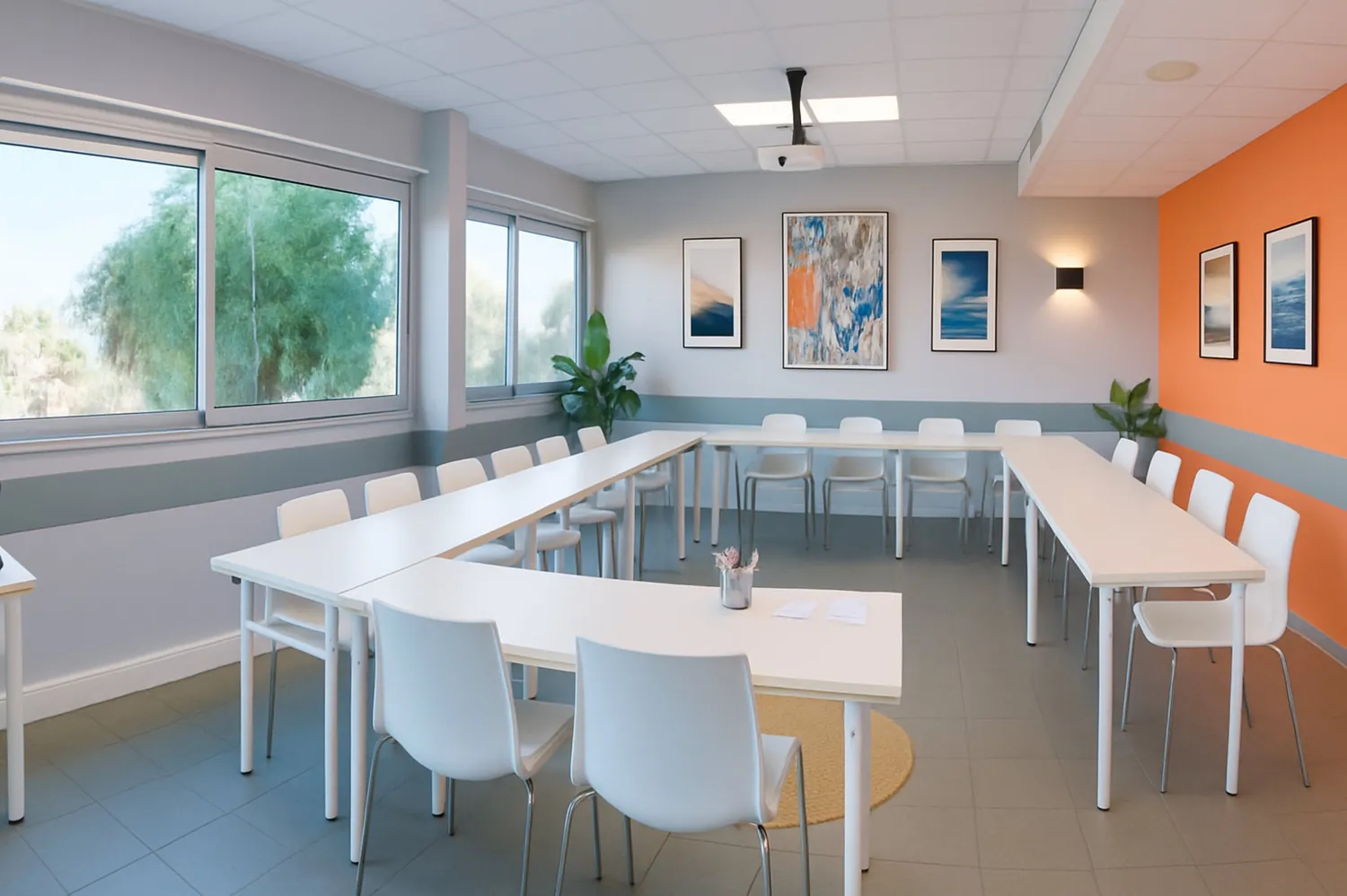
Pic Saint-Loup meeting room at the Millénaire coworking centre in Montpellier, U-shape configuration for 20 people Millénaire · Pic Saint-Loup
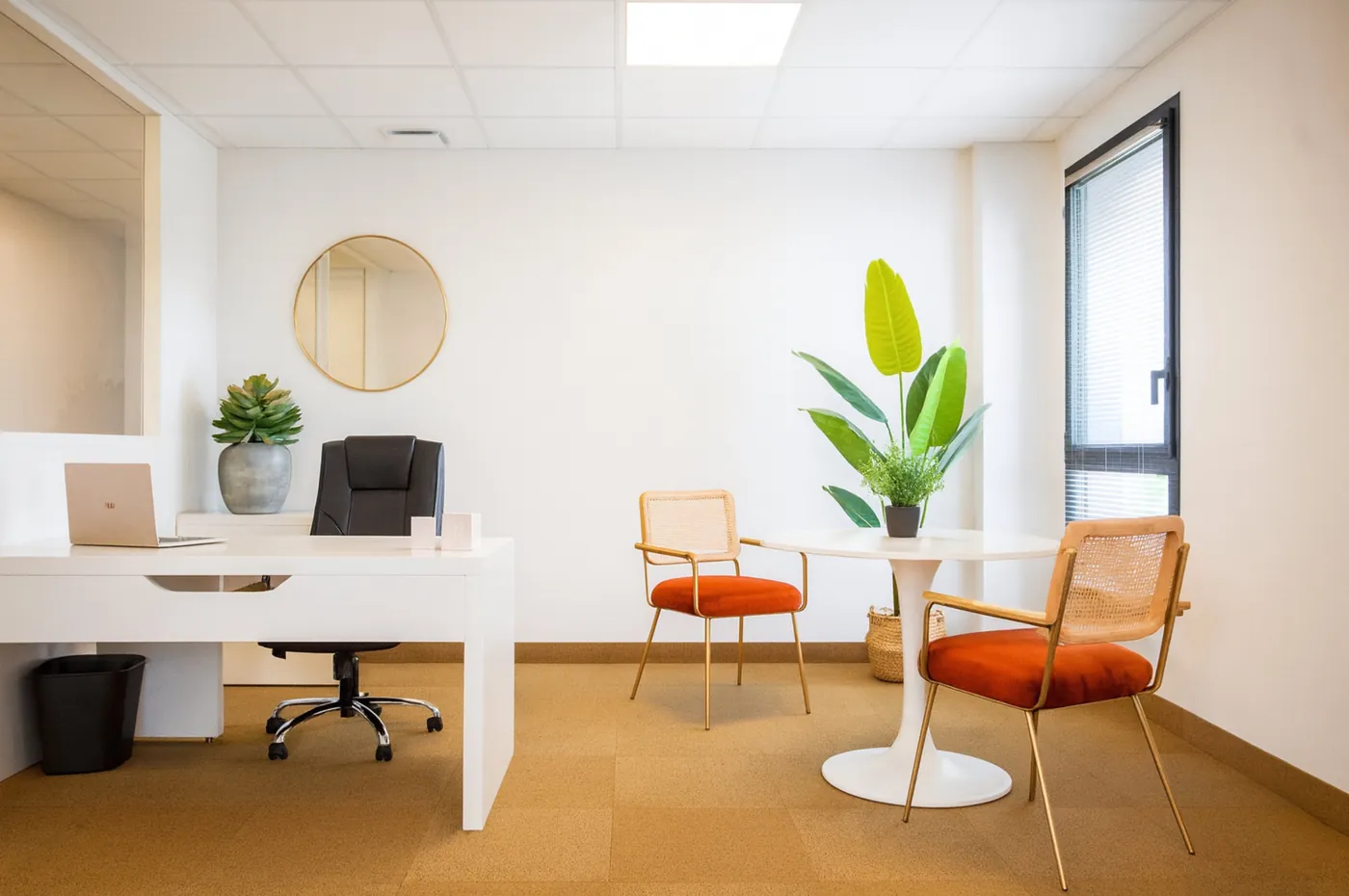
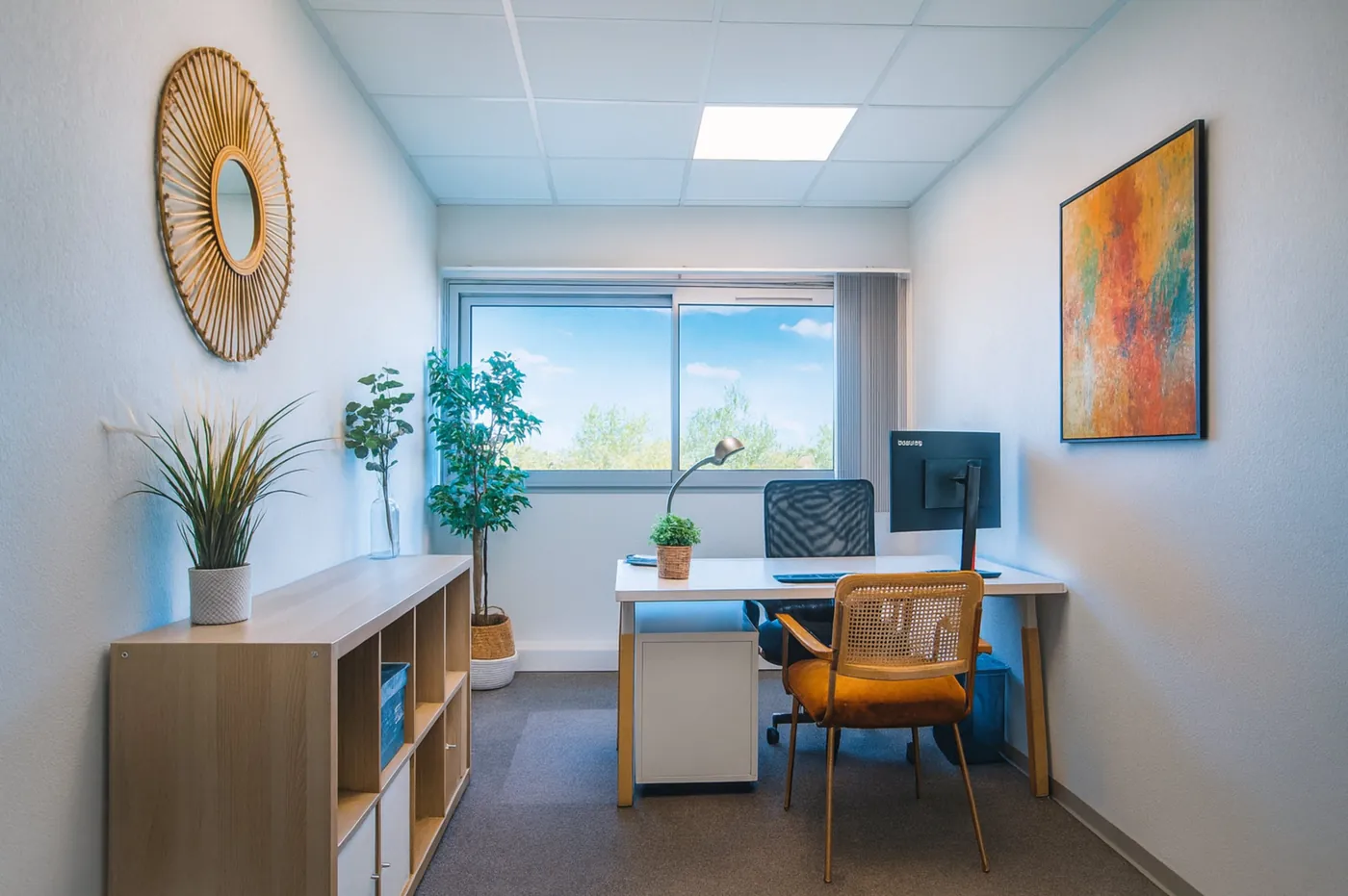
Executive office at the Garosud coworking centre, white desk and orange velvet chairs Garosud · Office
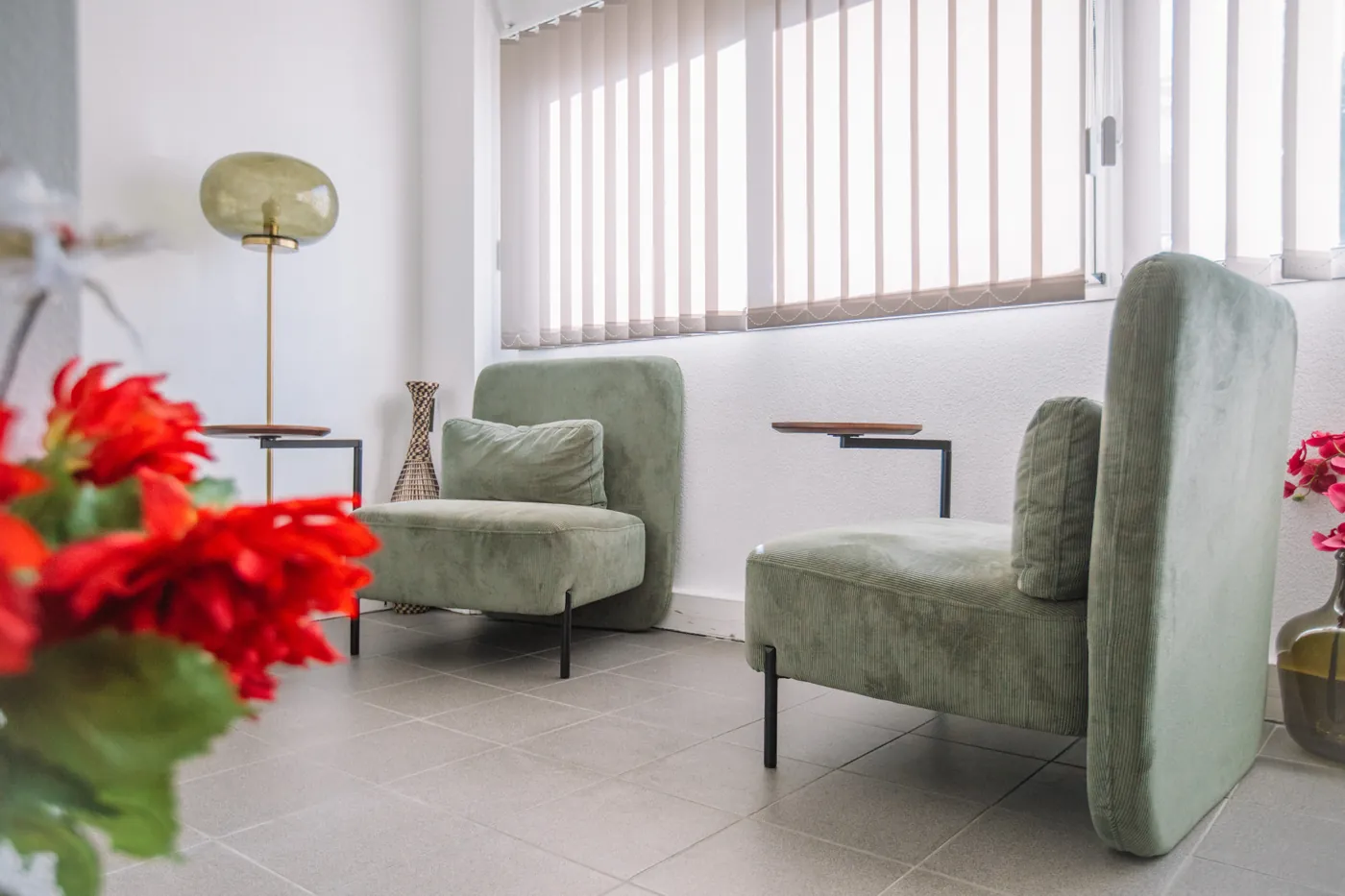
Lounge area with green velvet armchairs at the Millénaire coworking centre Millénaire · Lounge
100
equipped offices
across two centres
7
meeting rooms
capacity 2 to 40
#10
French Tech
ecosystem rank
3h15
TGV to Paris
airport to London
Comparison

A real centre vs. a virtual mailbox.

There are dozens of online services that will sell you a French registered address for a few euros a month. Here is what they don't include — and why it usually matters.

Business Office Montpellier

A real address that exists.

A building, an English-speaking team, post handled in person.

  • Real reception desk, real staff, real signposting on the door.
  • Mail collected on the day it arrives, scanned on request.
  • Meeting rooms on site when your accountant or banker comes.
  • Préfecture-approved, with an agrément number on every contract.
  • English-speaking staff, no language anxiety.
From €14.25 excl. VAT/month · 3-month minimum, no surprise fees
Online-only services

An address on a screen.

A mailbox in a shared building, often in a different city.

  • No physical access — you can't visit the address you're paying for.
  • Mail forwarded once a month in the basic plan; urgent letters delayed.
  • Setup fees of £30–£90 not shown on the homepage.
  • Cancellation fees often equal to one month's subscription.
  • Customer support saturated at peak times.
Headline rate + setup + forwarding + exit fees
In pictures

Have a look around.

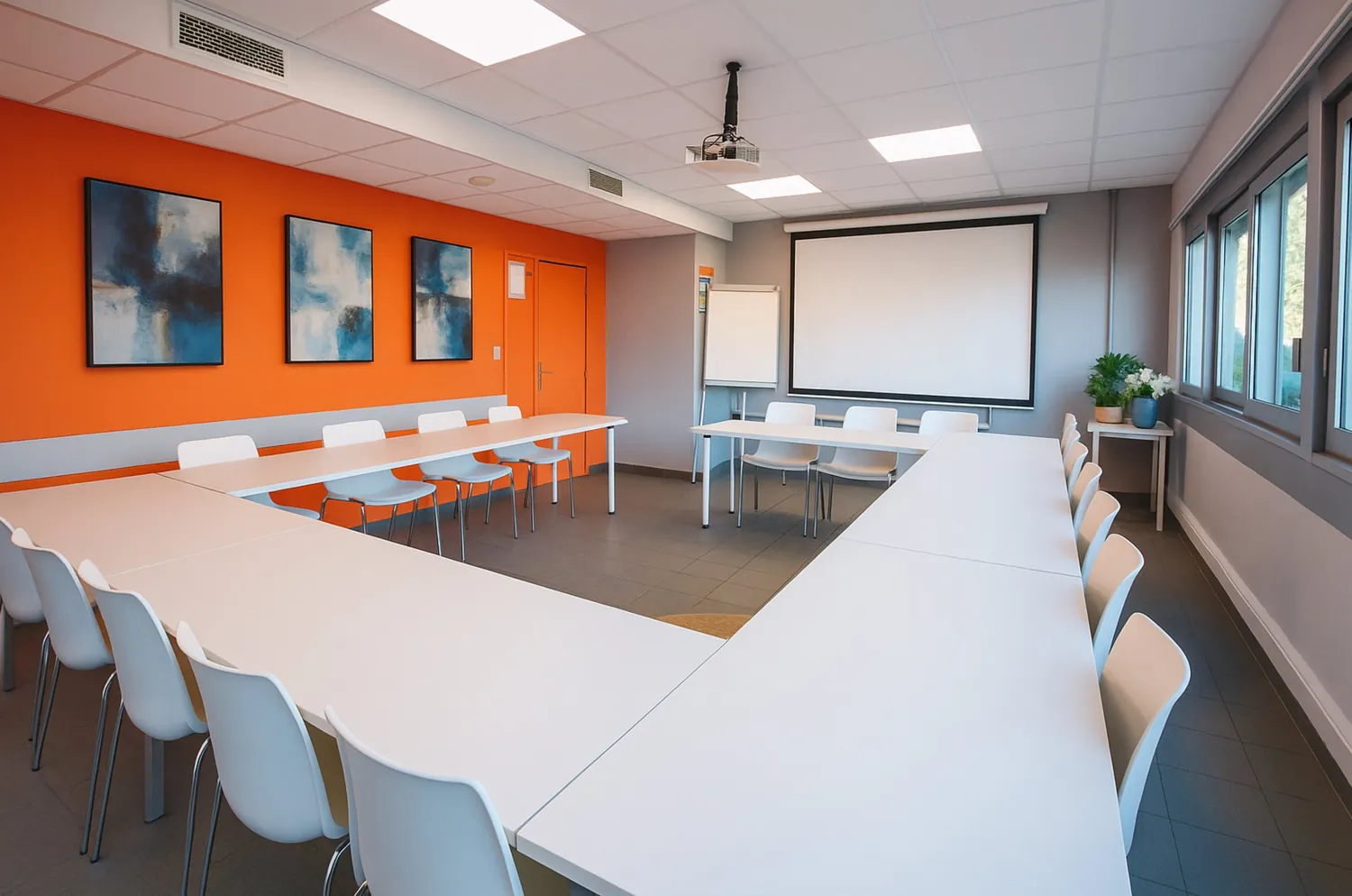
A few rooms across the two centres. Tours are by appointment — and free.

Why Montpellier

The 7th-largest French city — and a serious tech hub.

Montpellier ranks #10 in France for startup ecosystems, with a growing pool of healthtech, agritech, GreenTech and software companies. The local Talent ecosystem (French Tech Méditerranée, BIC Montpellier, regional funds like SOFILARO) is active and accessible to international founders. And it's a much easier place to relocate a family than Paris.

Cost of living

Roughly 40% lower than central Paris and 30% lower than London for housing and daily expenses, while keeping access to a TGV station and an international airport.

Quality of life

300 days of sun a year, the Mediterranean coast 15 minutes south, the Cévennes mountains 40 minutes north. One of the youngest populations in France — average age 35.

Ecosystem & talent

Notable companies founded here include Swile, Teads (acquired by Altice), MedinCell, Qair, Sweep. Three universities, a CHU, IBM research, and active French Tech support.

Read the full case for Montpellier
FAQ

The questions everyone asks.

A short sample. The full FAQ covers visas, banking, taxes, schools and the practical side of running a French company as an international founder.

Do I need a visa to set up a French company as a UK national?

Since Brexit, UK nationals need a long-stay visa to live and work in France for more than 90 days. For founders, the most relevant route is the Talent Passport — Business Creator, valid for up to 4 years and renewable. Family members get a "Talent — Family" permit with independent work rights.

For tech founders, the French Tech Visa is the same legal framework with a fast-tracked pathway through the French Tech network. Application fee: ~£85. You must show financial means equivalent to the French minimum wage (SMIC), currently €21,876.40/year as of 1 January 2026.

If you don't need to live in France personally — for instance because you're setting up a French subsidiary while staying based in the UK — no visa is required, and a business-only setup is much simpler.

What's the simplest legal form for a French company?

For most international founders, the SASU (Société par Actions Simplifiée Unipersonnelle) is the standard choice. It is a single-shareholder company with limited liability, flexible governance, and acceptable to French banks. Capital can be as low as €1, although €1,000–€5,000 is more practical.

If you have two or more partners, the SAS is the same structure for multiple shareholders. The SARL is older, more rigid, and rarely chosen by international founders any more.

For a one-person service business with limited turnover, the micro-entrepreneur status (formerly auto-entrepreneur) is simpler still, but it caps turnover at €77,700/year for services or €188,700 for retail, and you cannot reclaim VAT.

How does business domiciliation work and is it legal?

Yes, fully legal. The activity is regulated by the law of 4 August 2008 and ordinance n° 2009-104. Every domiciliation provider must hold a Préfecture-issued agrément, valid for 6 years and renewable, with the agrément number printed on every contract.

In practice, you sign a 3-month minimum contract for the right to use the address as your French registered office. The provider — us, in this case — receives your post, holds it for collection or scans it on request, and signposts your company at reception. The address appears on your Kbis (French company extract), on your invoices, and in public registries.

How long does it take to register a French company?

Realistically, 2 to 4 weeks from the moment you have all your documents ready. The actual incorporation at the INPI Guichet Unique (the single online portal since 2023) takes 5 to 15 working days once submitted, but most of the time is spent gathering documents: domiciliation contract, articles of association, beneficial ownership declaration, deposited capital.

For founders not yet living in France, the bank account is the usual bottleneck. French banks are cautious with non-resident company directors. A neobank (Qonto, Shine) can shorten this to a few days; a traditional bank can take 4–8 weeks.

What is the simplest legal form for a French company?

For most international founders, the SASU (single-shareholder simplified joint-stock company) is the standard choice. Limited liability, flexible governance, accepted by banks. Capital can be as low as 1 euro but 1,000 to 5,000 euros is more practical. For two or more partners, the SAS is the same structure. For micro-businesses with limited turnover, the micro-entrepreneur status is simpler still.

Is business domiciliation legal in France?

Yes, fully legal. The activity is regulated by the law of 4 August 2008 and ordinance n. 2009-104. Every domiciliation provider must hold a Préfecture-issued agrément, valid for 6 years and renewable, with the agrément number printed on every contract.

What is the corporate tax rate in France?

The standard corporate tax (Impôt sur les Sociétés) rate is 25 percent on profits. For SMEs (turnover under 10 million euros, at least 75 percent individual shareholders), the first 42,500 euros of profit is taxed at a reduced rate of 15 percent. VAT (TVA) is generally 20 percent.

How many offices does each centre have?

The two Montpellier addresses total 115 offices: 75 at Garosud — the largest business centre in Occitanie, with 70 industrial units too — and 40 at Millénaire in Castelnau-le-Lez.

Get in touch

Come and see the space.

A 20-minute tour, meet the team, see whether it fits. No commitment, no pitch.