Setting up a business in France.
From legal form to first invoice. A clear, current guide for international founders incorporating in France — including the Talent Passport visa route, banking realities and the role of a registered address.
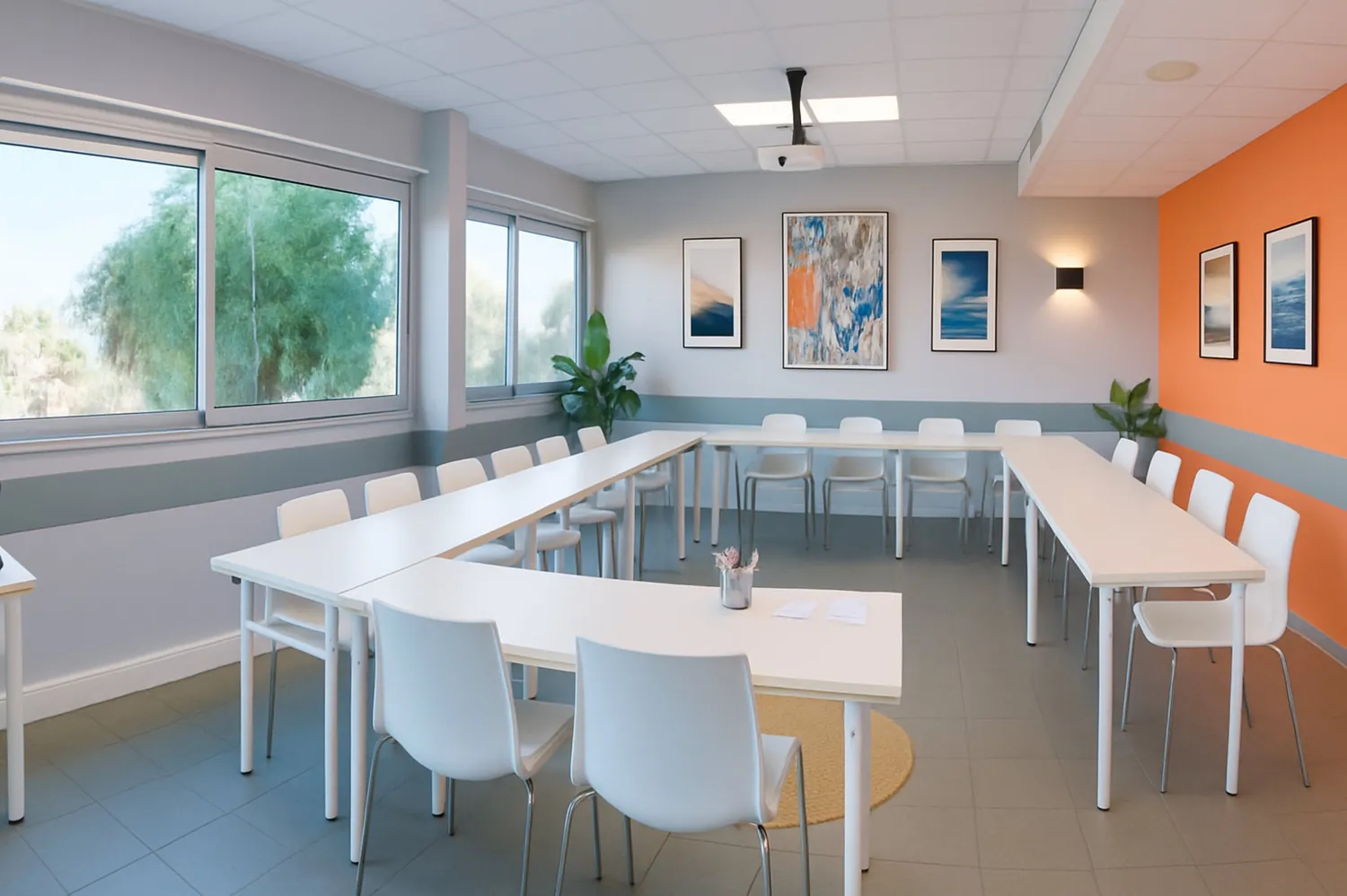 Millénaire · Pic Saint-Loup
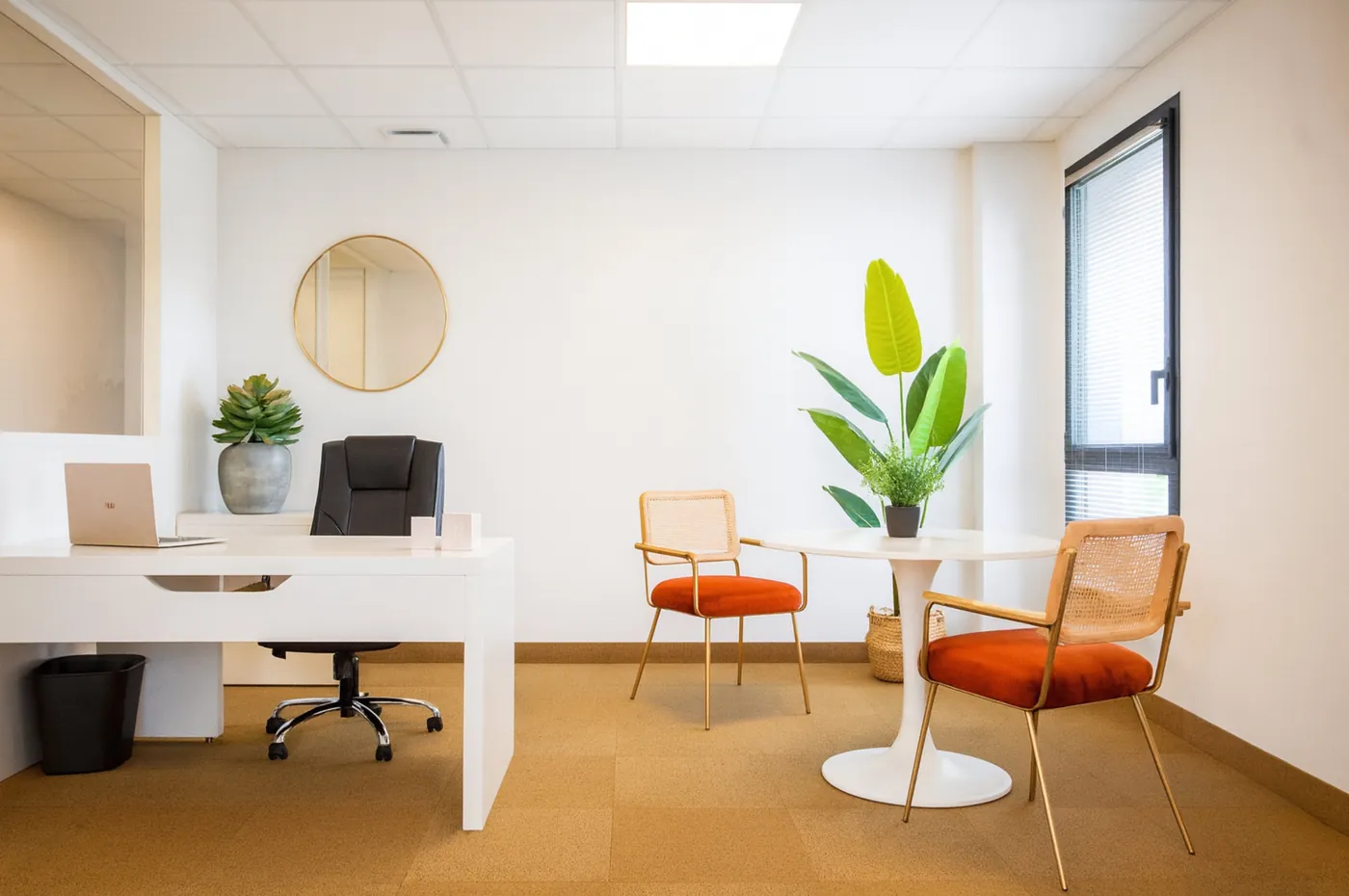 Garosud · Office
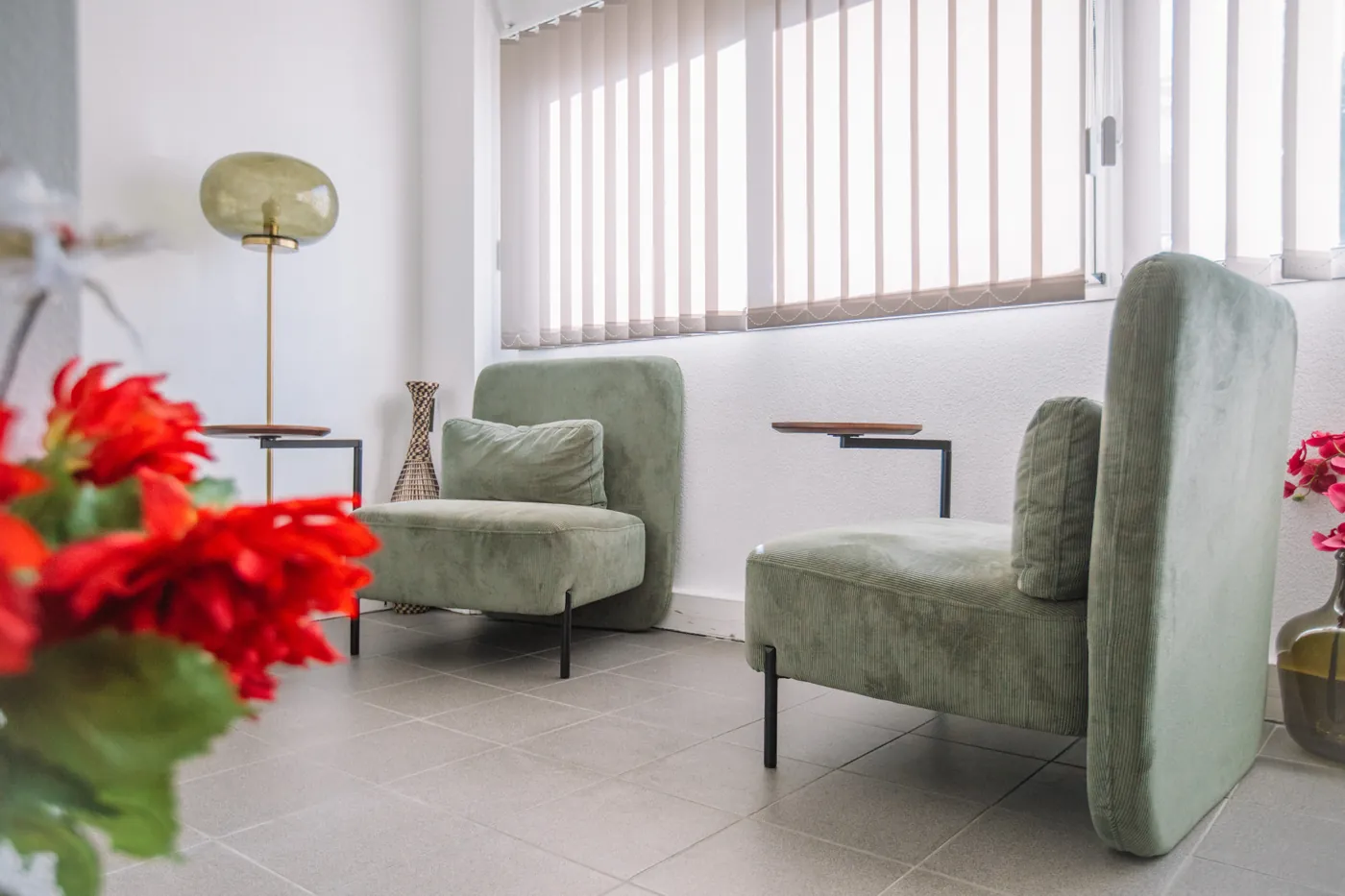 Millénaire · Lounge
Five steps from idea to French Kbis.
In sequence, here is what registering a French company actually involves for an international founder. We have done it dozens of times for our clients — the order matters.
Pick your legal form
For most founders: SASU (one shareholder) or SAS (two+). Limited liability, flexible governance, accepted by banks.
Register an address
Your company needs a French registered office. Either a real lease, your home (with restrictions), or a domiciliation service — ours.
Draft the statuts
The articles of association. Templates exist; a French lawyer or notary will fine-tune for ~£600–£900.
Open a bank account
For deposit of capital. Qonto and Shine work in days for non-residents. Traditional banks take 4–8 weeks.
Step 05 — File at the Guichet Unique
Since 1 January 2023, all company registrations in France go through a single online portal: the INPI Guichet Unique. You upload the statuts, the capital deposit certificate, the domiciliation contract, the beneficial owner declaration, and the directors' ID. Cost: ~€40 publication fee + ~€60 INPI fee.
Processing takes 5 to 15 working days. You receive a Kbis (the official company extract) and a SIRET number. Your French company legally exists.
If you also need to live here
Apply for the Talent Passport — Business Creator visa before moving. Valid up to 4 years, renewable, family included. You need a credible business plan, financial means equivalent to the SMIC (€21,876/year for 2026), and proof of your project's economic viability.
For tech founders, the French Tech Visa uses the same legal framework with a fast track via the French Tech network. More on relocation →
The things UK founders don't expect.
Five surprises that catch first-time international founders off-guard — none of them dealbreakers, all worth planning for.
Banking is the bottleneck
Not the incorporation. French banks remain cautious about non-resident directors. Neobanks (Qonto, Shine) can issue a business IBAN within a week and accept the deposit of capital. Traditional banks may want a face-to-face meeting and several weeks of due diligence.
Social charges are real
For an SASU director paying themselves a salary, employer + employee social charges total roughly 65–80% on top of net salary. Many founders take dividends instead, which are taxed at a flat 30% PFU. Plan this with an accountant before you set salary levels.
You need an accountant
Statutory accounts must be filed annually, and VAT returns either monthly or quarterly. Budget £150–£300 a month for a small SASU. Several Montpellier firms speak English.
French language helps but isn't required
Filings are in French. Most accountants will handle them on your behalf. Banks and large suppliers increasingly speak English. You can run a business here from day one with B1-level French — and improve from there.
Where Business Office helps.
Step 02 — The address
We supply the Préfecture-approved domiciliation contract required for incorporation. Same-day issuance. We become your French registered office.
After incorporation — A real base
Once your company exists, you have a real place to work, receive clients, host your accountant, and run meetings. Coworking from day one if you want it.
The English-speaking link
We can introduce you to the local accountants, lawyers, banks and tech ecosystem partners we work with regularly — all English-friendly.
Frequently asked questions
Setting Up a Business in France: what do you need to know?
SAS, SASU or EI? Talent Passport visa, French bank account, tax basics and the registered address you must have. Step-by-step for UK, US and EU founders.
Do you handle incoming packages when I'm not present?
Yes, we accept your parcels and pallets when you're not there, with a pallet truck available on the park. That's what truly sets us apart from an ordinary self-storage unit: there, nobody signs on your behalf.
Does the centre keep plastic to a minimum and sort what it throws away?
Yes — plastic meant to be thrown away has been cut from the meeting rooms, drink machines and supplies, reusable mugs and eco-cups replace it, and paper and cardboard are sorted and sent for recycling.